
Footwear laboratory testing
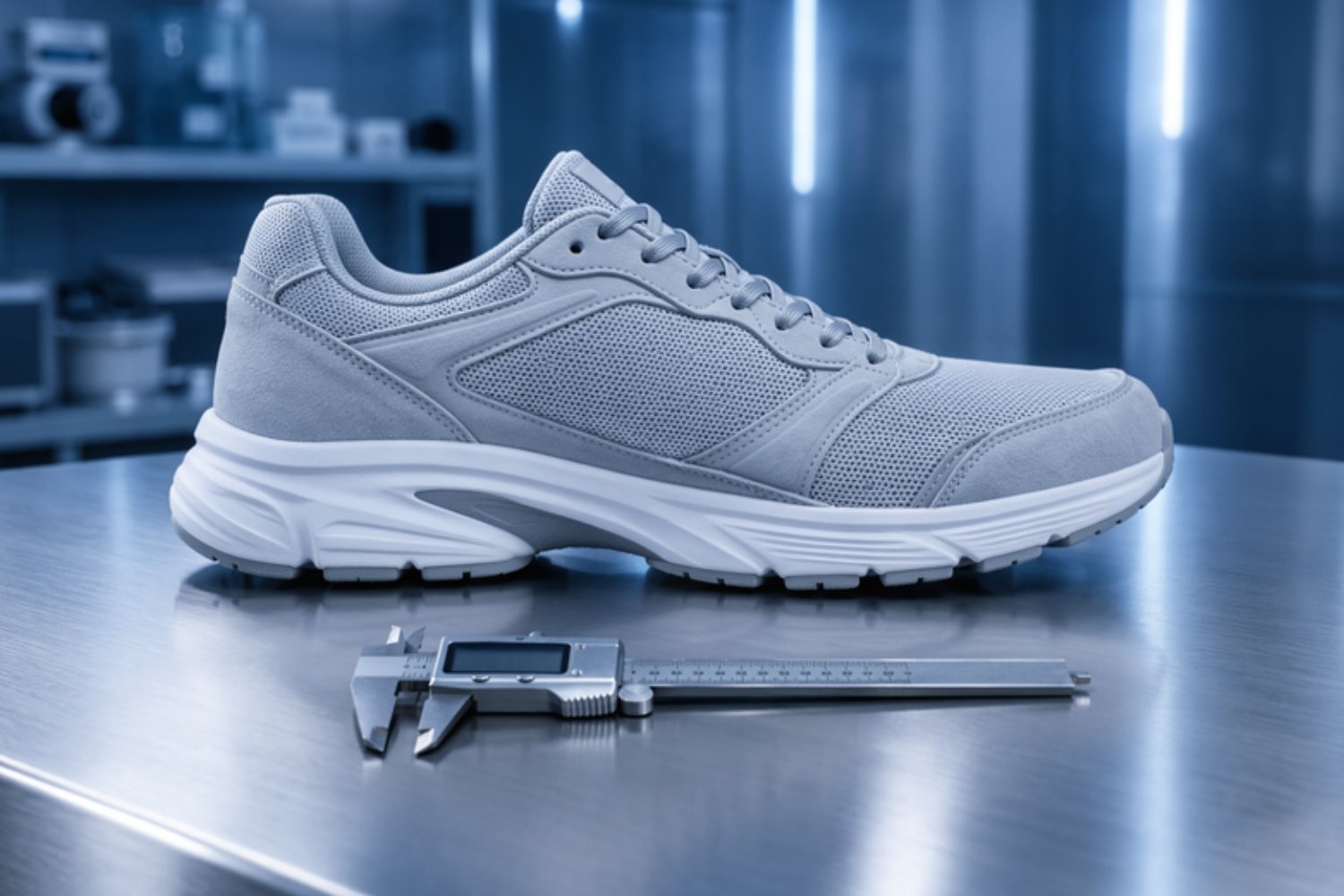
Footwear testing, physical and chemical: mechanical durability, colourfastness, tensile strength, slip resistance and chemical safety (formaldehyde, heavy metals, chromium VI, phthalates) to ISO, EN and ASTM standards and REACH and CPSIA regulations. We take the samples at the factory, send them to the right laboratory and follow the result until the order complies.
Request a test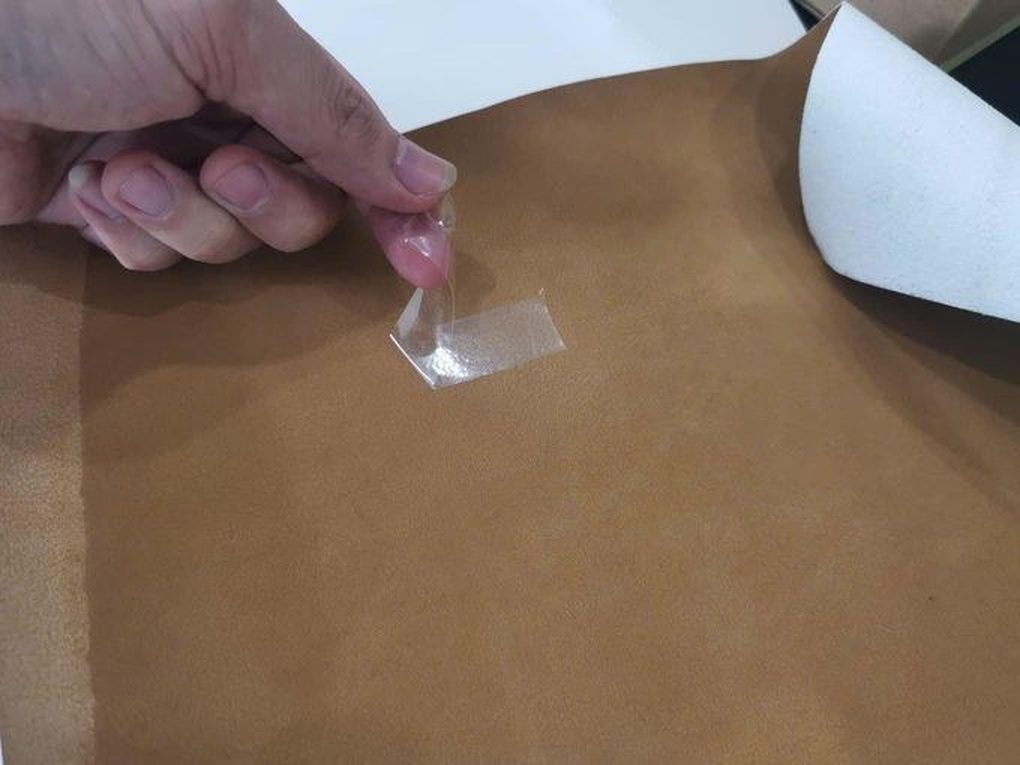
Seven independent laboratories, none of our own
We work with SATRA, INESCOP, SGS, QIMA, TÜV SÜD, Intertek and Bureau Veritas. We choose the laboratory by test, market and what your customer requires.
Having no in-house laboratory is a choice: whoever inspects does not check itself, and any result can be repeated and compared at another independent laboratory.
What is included
- 01
Physical tests
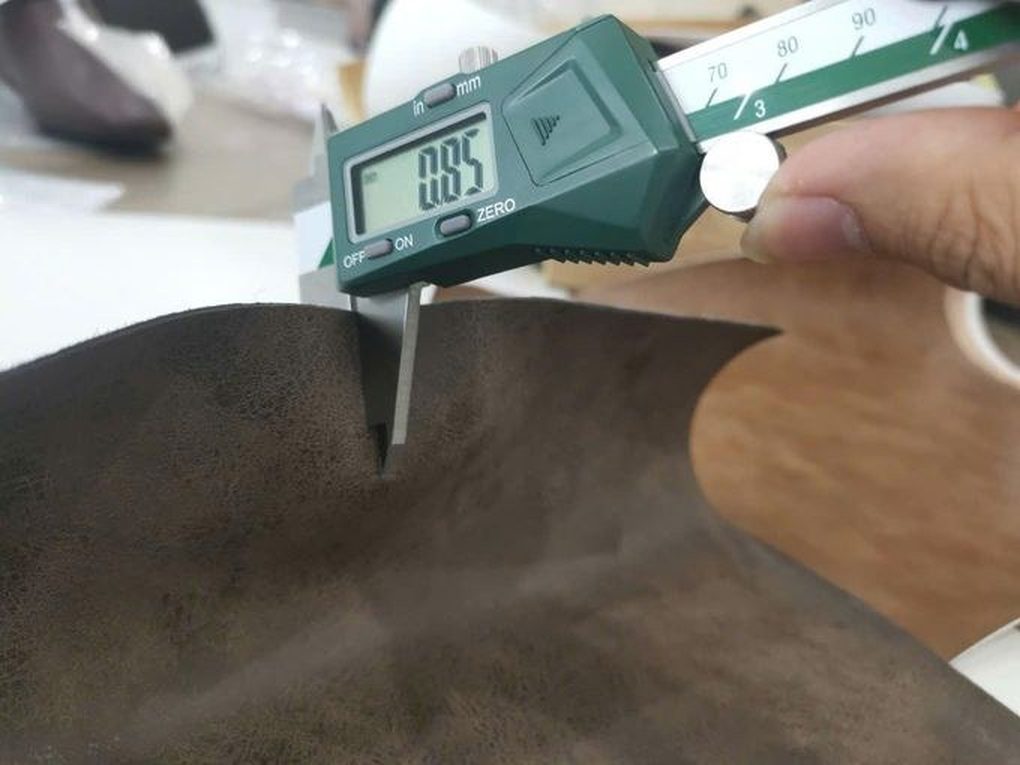
Upper-sole adhesion, sole and whole-shoe flexing, abrasion, tear strength, seam strength, colour fastness to rubbing and slip resistance.
- 02
Chemical tests
Chromium VI, phthalates, dimethyl fumarate, azo dyes, polycyclic aromatic hydrocarbons, heavy metals, nickel and formaldehyde.
- 03
REACH (European Union)
Compliance with REACH Annex XVII for leather, textiles, soles and adhesives.
- 04
CPSIA (United States)
Lead and phthalates in children's footwear, with support for the CPC certificate.
- 05
Safety and occupational footwear
Testing to EN ISO 20344 and the requirements of EN ISO 20345, 20346 and 20347.
- 06
Sampling at the factory
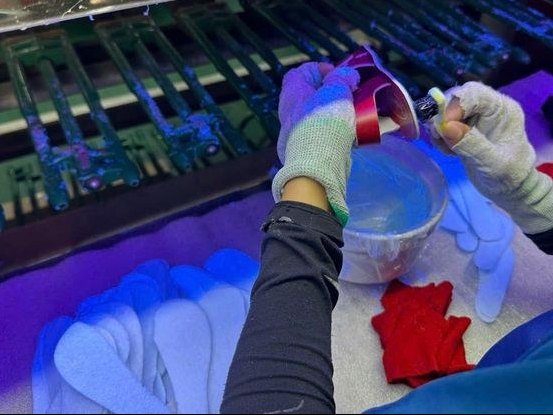
We select and seal samples on the line or in the warehouse, so the test represents the order.
- 07
Result follow-up
If a test fails, we work out the cause, the correction and the retest with the factory before shipment.
We choose the laboratory the way we choose the factory
Each laboratory specialises in a different segment and works with different lead times and prices. That is why we work with all of them: SATRA, INESCOP, SGS, QIMA, TÜV SÜD, Intertek and Bureau Veritas.
For each order we choose the one that best fits your product, your company and the markets where you sell, to get the most objective and correct analysis and protect you in those markets. We do not only select the raw material suppliers and the factory: we also select the right laboratory. No agency with its own laboratory can give you that freedom.
Benefits of our footwear testing
- 01
Product safety
We detect harmful substances (formaldehyde, heavy metals, volatile organic compounds, chromium VI, phthalates) before the footwear reaches the market.
- 02
Compliance with international standards
Testing to ISO, EN and ASTM standards and REACH and CPSIA regulations, to sell in the European Union, the United States and worldwide.
- 03
Durability and performance
Mechanical durability, flexing, abrasion, tensile strength of laces, soles, adhesives and stitching, colourfastness to water, sweat, rubbing and light, and slip resistance.
- 04
The right laboratory for each product
We choose among seven independent laboratories by the segment, lead time and price that best fit your product and market.
- 05
Cost savings
We find defects at source, before shipment, reducing the risk of returns and product recalls.
- 06
Transparent tracking
Follow test status and results on our online platform, together with the inspection reports for every order.
Our offices
Vietnam (technical office): Mercuri V Corporation · 61D, Street 2, An Khanh Ward, Thu Duc City, Ho Chi Minh City · +84 28 3744 6468.
China (technical office): Guangzhou.
Spain (head office): Calle del Vespre 9, 03110 Mutxamel, Alicante · +34 965 291 821 · info@lexelart.com. Sales offices also in Alicante, Barcelona and Madrid.
Physical footwear tests
| Test | What it checks | Reference standard |
|---|---|---|
| Upper-sole adhesion | That the sole does not come apart in use | ISO 17708 |
| Sole flexing | Cracks in the sole after repeated flexing | ISO 17707 |
| Sole abrasion | Outsole wear | ISO 4649 |
| Slip resistance | Grip on dry and wet floors | EN ISO 13287 |
| Colour fastness to rubbing | That the colour does not rub off | ISO 17700 |
| Safety footwear | Toecap, penetration resistance, antistatic and more | EN ISO 20344 |
Chemical footwear tests
| Substance | Where it appears | Reference standard |
|---|---|---|
| Chromium VI | Chrome-tanned leather | ISO 17075 |
| Azo dyes | Dyed leather and textiles | ISO 17234 / EN ISO 14362 |
| Phthalates | PVC, soles, prints | REACH Annex XVII · CPSIA |
| Dimethyl fumarate | Desiccants and packaging | REACH Annex XVII |
| Lead and heavy metals | Trims, paints, coatings | CPSIA · REACH |
| Nickel | Metal trims in contact with skin | EN 1811 |
Laboratories we work with
How we work
We define the tests
By product, market and your customer's manual.
We take the samples
At the factory, sealed, from the material or the real order.
Accredited laboratory
The most suitable for each test among the seven we work with.
Result and action
Laboratory report and, where needed, correction and retest.
Frequently asked questions
Which laboratory tests does footwear need to be sold in the European Union?
At least chemical compliance with REACH Annex XVII (chromium VI, phthalates, azo dyes, dimethyl fumarate, heavy metals). Many customers also ask for physical tests such as sole adhesion, flexing and abrasion. We tell you which apply to your model.
What is the advantage of working with all the laboratories?
Each laboratory specialises in a segment and has different lead times and prices. We choose the one that best fits your product, your company and your sales markets, so the analysis is the most objective and correct and protects you where you sell. Just as we choose suppliers and the factory, we choose the laboratory.
And for the United States?
For children's footwear, CPSIA requires lead and phthalate testing at a CPSC-accepted laboratory and a CPC certificate. We coordinate the tests and help you with the certificate data.
Which laboratories do you work with?
SATRA, INESCOP, SGS, QIMA, TÜV SÜD, Intertek and Bureau Veritas. We choose one or another by test and by what your customer requires.
Why don't you have your own laboratory?
So the result is objective. Whoever inspects does not check itself, and any test can be repeated at another independent laboratory.
Who takes the samples?
Our technicians, at the factory: they select them from the material or the real order and seal them, so the test represents what will ship.
What happens if a test fails?
We find the cause with the factory (material, supplier or process), coordinate the correction and retest before shipment.