
DUPRO vs PSI for footwear: why the final inspection is not enough
DUPRO and PSI are the two inspections every footwear buyer knows. Used alone, they tell you about problems. Used as part of a follow-up from the sample, they confirm there are none.
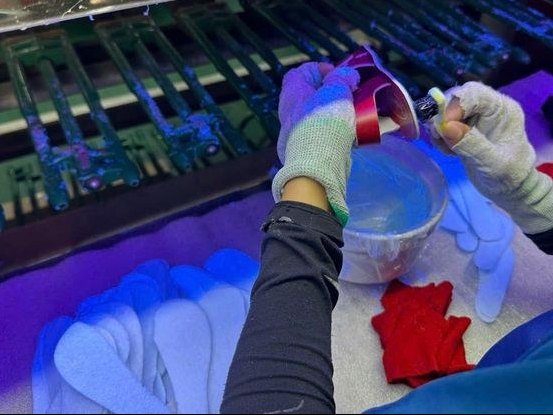
During-production inspection (DUPRO or DPI)
Carried out with part of the order produced, usually between 10 and 70 %. It checks workmanship and conformity on the line so faults can be corrected before the run ends: cutting symmetry, toe and heel centring, cementing and sizing.
Pre-shipment inspection (PSI)
Carried out with the order finished and at least 80 % packed. A random sample is checked to ISO 2859-1 with acceptance levels such as 0 for critical, 2.5 for major and 4.0 for minor defects. It includes pull tests at toe and heel, pairing, labels, barcodes, cartons and moisture control.
What neither can fix
By the time of the DUPRO, the leather has been bought, the last chosen and the cutting started. If the material is off shade or the last does not match the sample, the inspector can only record it. The fix then costs rework, discounts or time.
The approach that works for footwear
Check the tech pack, the last and the confirmation sample before materials are bought. Check materials before cutting. Follow cutting, stitching, lasting and cementing on the line. Then the DUPRO and PSI become confirmations. This is how LexelArt has worked in Vietnam since 1998.
Compare day-rate inspection with full control from the sample.
Read the comparison